We're also seeing developments in smart charging systems that optimize energy conversion based on available light conditions and device requirements. As battery technology improves, future solar banks will store more power in lighter packages, extending their practical usefulness.
Introduction
With the emerging technologies and ongoing innovations, we are facing a severe environmental crisis globally. People are constantly searching for the alternatives that are practical in use but also have no harmful impact. Hence, contributing to ecogreen australia energy is a suitable option.
Since, energy consumption has also been one of the major concerns of the 21st century. By acknowledging the needs of energy resources, companies have come up with the idea of solar energy banks to carefully utilise and save the solar energy for day- to day- life and thereby contributing to sustainable lifestyle approaches.
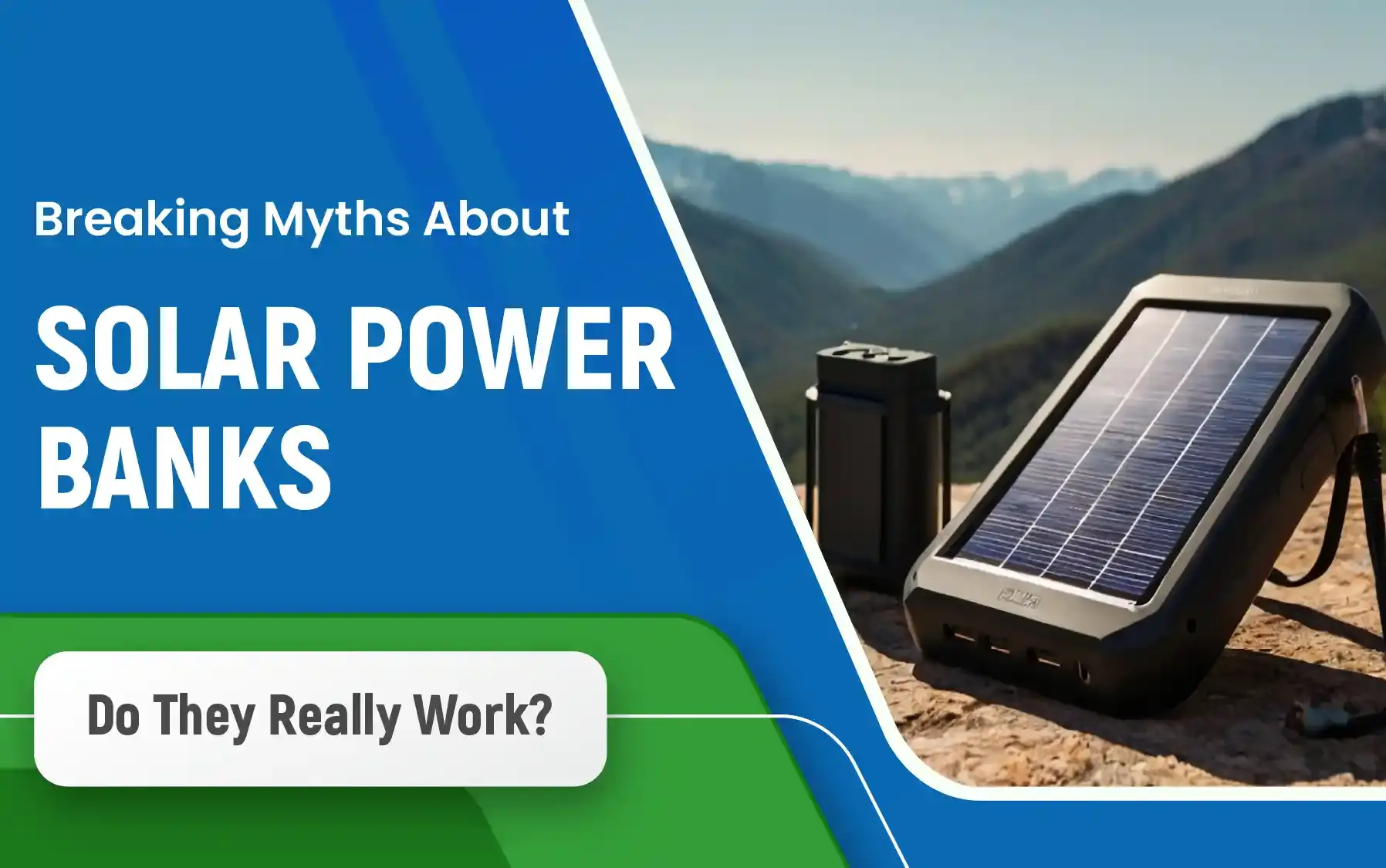
What Is a Solar Power Bank?
A solar energy bank is simply a portable charger that has an integrated system of solar panels, to capture and store sunlight and convert directly into the electrical power for recharging various electronic devices like mobile phones, laptop, tablets etc.
Despite traditional charging devices that are only dependent on the electrical outlets, solar power banks work on modern mechanisms that offer both the options i.e. charge your devices through solar power banks & it also has an electrical charging system. These power banks are made up of photovoltaic cells that convert the solar energy into electrical power. These are a convenient option while travelling, rural areas having poor electric connections or as emergency backup storage options.
Advantages of Having Solar Power Banks
Solar banks offer a wide variety of benefits in terms of reliability, convenience, portability and of course excellent eco- friendly alternatives. The major benefits are discussed in detailed format as under-
- Easy Transportability- Solar energy banks are a great choice when you are travelling or going for outdoor activities. It becomes a handy option since it is light- weighted in nature and has instant storage of electric power.
- Sustainable Energy Source- Modern solar powers are designing while adhering to maintain the natural ecosystem. It comes out as the safest option to lower the dependency on the wall outlets and thereby reducing carbon footprints.
- Versatility- This solarize energy models offer both the solar charging and traditional USB ports for recharging your devices at any costs. Some of the models offer built- in LED flashlights for extra utility during emergencies.
Some Common Myths About Solar Power Banks
Myth 1: Solar Power banks are Slow in Charging
Solar energy banks work efficiently and therefore can be definitely used as an alternative to wall outlets. Solar charging is significantly slower than plugging into an electrical outlet. But advanced devices have developed better features to strengthen this process and have reduced charging time than earlier. Also, these days manufacturers combine both the traditional and solar panels to avoid complete dependency and amplify the speed of charging.
Myth 2: These Power banks are not Appropriate for every Weather Condition
Old models might be inefficient in rainy or poor sunlight weather conditions But newly designed solar panels are a much improved version which means they are not completely useless in cloudy weather scenarios. However, energy transmission can be slower than intense sunlight conditions. Also, with the evolving technology solar banks are going to be more practical in use.
Myth 3: Solar Panels Make Traditional Charging Unnecessary
Having economic & travel friendly benefits, Solar power banks are still more suitable as a supplementary back up option rather than a replacement of USB charging portals.
Myth 4: Solar Power Banks Are Damaged Quickly
Another common myth is that solar energy banks become highly inefficient after a certain amount of time. But the reality is these solar batteries are built with quality components to lasts for a really long time and deliver high- performance. But do follow the instructions and avoid extreme temperatures.
Myth 5: They are capable of charging large devices
Modern solar energy banks are designed differently which makes them capable of charging even laptops, tablets and other large devices. These power banks are built with larger batteries and photovoltaic cells to store large amounts of sunlight radiations and deliver maximum output while recharging.
Future of Solar Power Banks
The future looks promising for solarize energy technology in terms of portable power solutions. With the improved advanced technologies, using photovoltaic material offers better charging utility at a faster rate. It means in future the solar energy banks have better capabilities to supercharge any device while maintaining its transportability.
We're also seeing developments in smart charging systems that optimize energy conversion based on available light conditions and device requirements. As battery technology improves, future solar banks will store more power in lighter packages, extending their practical usefulness.
Way Forward
Truly speaking, there can not be a choice between environment and economy. As a human, we should always consider sustainable and nature- friendly options , instead of fulfilling our selfish needs. Even small steps can bring about massive changes for the environment. Therefore, investing in solar energy power banks is a smart choice that not only benefits nature but also acts as our emergency backup during power cuts.
Prioritizing solar energy devices over traditional USB power banks can be a pocket- friendly option and it also helps in saving non- renewable energy resources. These solar banks are going to transform in such a way that it will become an indispensable asset for people globally.
FAQs
In direct sunlight, usually it takes 25–40 hours to fully charge via solar panels alone.
Yes, most of the models now allow the power bank to charge while recharging your devices but it can slow down the charging process.
It actually depends upon your devices. You are purchasing it for charging mobiles or large devices. For smartphones: 20,000–25,000mAh provides 3–4 times full charging facility.
Solar power banks work well even in winters or cloudy weather conditions but they might take longer to recharge your devices as compared to normal sunlight conditions.