Usually, the most popular types of solar panels are rooftop or PV solar panels. The same old heavy, glass-and-aluminum shield bolted to a flat roof. Although there are many other alternatives available, however, people still go for conventional choices of solar panels. But these solar panels have their limitations when it comes to flexibility. However, there are other solar panels that are highly flexible, such as flexible solar panels and can take the shape of any curved surface. Not only are this type of solar panels sleek, adaptable and lightweight, but they also remain as efficient as other solar panel designs. When we compare these solar panels with traditional rigid panels, these can bend, conform, and fit into places once considered impossible for solar energy production or generation.
Nowadays, solar panels are transforming. With the help of new technologies, solar panels are changing from a static installation into a more adaptable energy source. Let EcoGreen Australia solar companies Melbourne show you what kind of these flexible solar panels are and how these panels work for your business!
What Are Flexible Solar Panels?
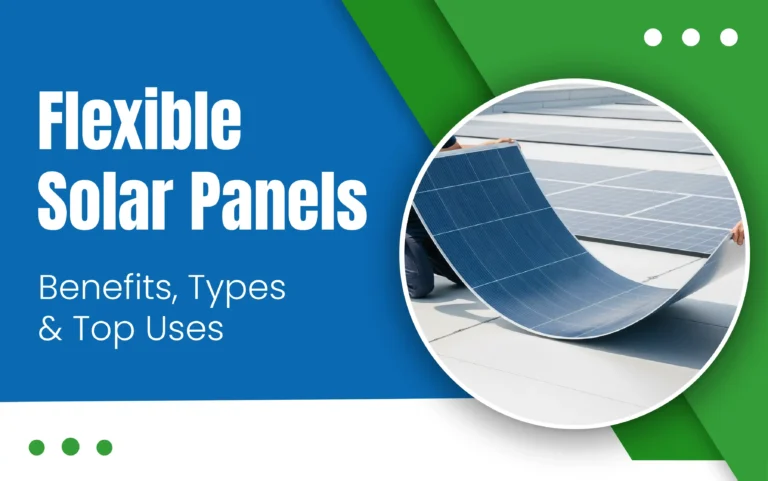
These solar panels can be laminated onto the curved roof of a caravan, installed on the deck of a sailboat, or even rolled up to be carried along. This makes these solar panels highly beneficial and multi-purpose, especially for the curved, bent or odd spaces. Flexible solar panels are thin, lightweight photovoltaic modules mounted on bendable substrates like plastic or thin metal sheets. Their flexibility allows them to curve and adhere to uneven surfaces, rooftops, vehicles, and outdoor gear, offering a portable solar solution where traditional glass-and-metal panels cannot.
Composition
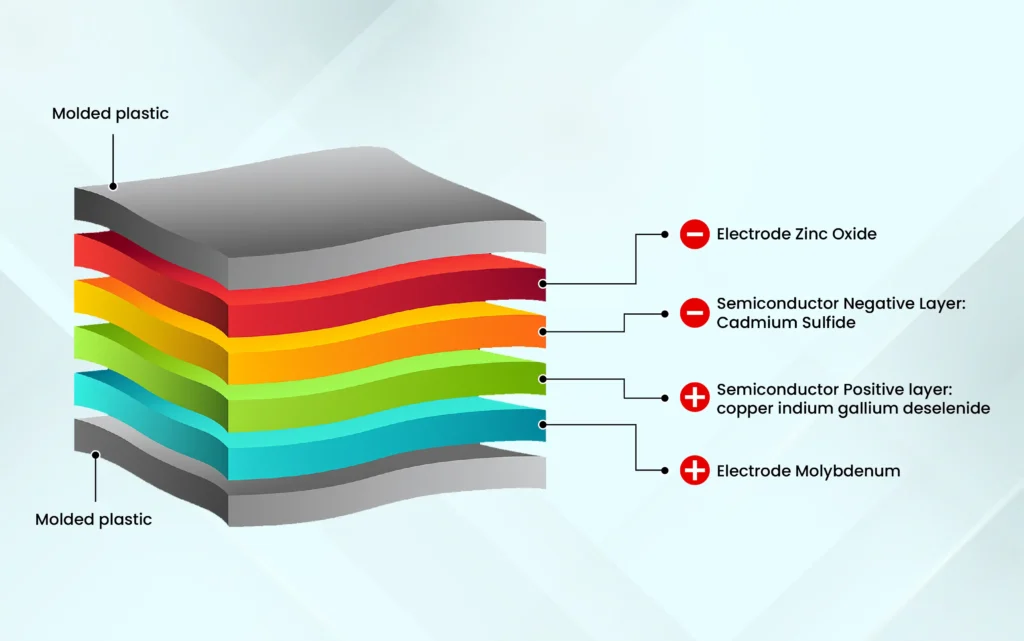
As we know, the flexible solar panels have ultra-thin, bendy architecture. This ultra-thin layer is composed of advanced photovoltaic materials, such as amorphous silicon or copper indium gallium selenide or CIGS. To make these flexible layers, we usually choose light, durable substrates like PET or polyimide plastic films, or even thin metal foils. Over this, you will find transparent protective coatings to fend off dust, moisture, and other things. Their structure is less of the stiff sheet you bolt to a roof.
Benefits of Flexible Solar Panels
The benefits of solar panels don’t just include the output they provide you with, but the freedom they give you. Flexible panels negate every constraint we face because of inflexible, conventional solar panels. As we know that conventional solar panels can’t be installed on certain spaces, such as curved surfaces and uneven surfaces. They occupy too much space and need plane areas for a proper installation. On the other hand, the flexible solar panels have the ability to generate power on curved surfaces. They can be installed on weight-sensitive structures and have better portability. Let EcoGreen show you what are the other benefits of these advanced solar panels!
- Lightweight and Portable
These solar panels weigh only a fraction of rigid panels. Hence, you can carry them everywhere without the hassle of needing the apt transportation. These flexible solar panels can easily be strapped to your backpacks during hiking, or installed on boats, caravans, electric vehicles or any uneven surface of your commercial facility. Such flexibility, lightweightness, and portability make them perfect for off-grid energy solutions.
- Ease of Installation on Curved and Irregular Surfaces
The biggest benefit of these panels is that they are highly flexible. While other conventional solar panels are rigid and lack flexibility, the flexible solar or flexible variants of solar panels can bend up to 240 degrees. This means they can be fitted to curved roofs, surfaces, portable structures, commercial boats, uneven structures or irregular building facades. This way, they become highly accessible for modern Australian architectural styles of infrastructure.
- Integrated Use Along with Fixed Systems
Rigid, inflexible or conventional solar panels leave too many gaps as they can’t be installed on irregular surfaces. Flexible solar panels can be used along with the conventional solar panels and fill the gaps left by such inflexible setups. If we install these panels on areas of rooftops a bit shadowed by chimneys or vents, in a large commercial solar farm or any other commercial space, it will maximize the total energy generation.
- Durability in Harsh Conditions
Flexible solar panels are more durable than conventional solar panel designs as they include durable coatings such as ETFE or glass fibre. This durable coating can resist extreme weather and stays intact even during the harsh climatic conditions. So, whether there are dust storms, coastal salty air or the Sun at its highest, these protective layers keep your panels intact. Hence, they require minimal maintenance and can still last longer.
What Are The Types of Flexible Solar Panels?
Let’s see what types of flexible solar we have here!
- Monocrystalline Flexible Solar Panels
These solar panels are made from single-crystal silicon and have the best efficiency among all kinds of flexible panels. They are perfect if you have limited space but want higher performance. However, these panels are expensive than other variants. If you want higher efficiency, the monocrystalline solar panels are the best ones you can find.
- Polycrystalline Flexible Solar Panels
This variant is constructed from multiple silicon crystals. Also, these Polycrystalline variants are less expensive than the monocrystalline. However, they have slightly lower efficiency than monocrystalline panels. But since they perform well in ample sunlight, they are a budget-friendly option for many kinds of commercial activities.
- Thin-Film Flexible Solar Panels
These panels use layers of photovoltaic materials. These materials are spread on substrates like plastic or metal. Thin-film type of solar panels are extremely light and can even be rolled or folded, hence, they are easy to transport. However, thin-film solar panels have lower efficiency than the other two variants. They are great for temporary or portable uses, such as when you require them for a time being.
| Type | Composition | Efficiency Range | Specification | Lifespan & Cost |
|---|---|---|---|---|
| Monocrystalline | Single-crystal silicon on thin flexible substrate with protective coating | 22-25% | Very lightweight, bendable up to 240°, High durability; resistant to corrosion; waterproof | 15-20 years, Higher cost |
| Polycrystalline | Multi-crystal silicon with flexible encapsulation | 15-18% | Lightweight, flexible with moderate durability | 10-15 years, Mid range |
| Thin-film | Amorphous silicon or CIGS on flexible plastic | 10-13% | Ultra-lightweight, foldable, lower durability, degrades faster | 5-10 years, Low cost |
Top Uses of Flexible Solar Panels
- On Curved and Irregular Roofs
If you have an uneven roof in your commercial facility, such as warehouses, manufacturing plants, exhibition centres, or any other such spaces, flexible solar panels can be moulded or effortlessly contour to curved surfaces. These panels will maximize the solar energy generation in spaces that traditional panels can’t reach.
- Transport and Fleet Vehicles
These solar panels can be used for transport and fleet vehicles. From delivery vans to refrigerated trucks, flexible panels provide lightweight, aerodynamic energy solutions to power onboard systems without affecting the fuel efficiency.
- Best For Temporary and Mobile Sites
You can use them for temporary usage, such as at construction sites, pop-up markets, and outdoor events. This will be a kind of portable solar setup that benefits you from quick-to-deployment. Hence, it can power lighting, tools, and tech without any need for fixed infrastructure.
- Building-Integrated Photovoltaics (BIPV)
These panels can easily blend into facades, awnings, and glass surfaces. This means modern infrastructure and designs of buildings can use renewable power discreetly.
- Remote Agricultural Installations
Farms can easily rely on flexible panels to power irrigation pumps, sensors, and communications equipment in locations where grid access is unavailable.
- Marine and Offshore Applications
Nowadays, boats, yachts, and fishing vessels mount flexible panels on curved decks and hulls and this way, they are negating dependence on fossil fuels.
- Emergency and Disaster Relief
These systems are lightweight and easily transportable. Flexible panels provide you with renewable power solutions for Australian bushfire zones, flood-prone areas, and other disaster-affected sites.
- Greenhouse and Aquaculture Power
Flexible solar can easily fit on greenhouses and fish farms, providing clean, quiet energy that supports sustainable agriculture and aquaculture practices.
- Urban Microgrids and Smart Infrastructure
Bus stops or any other public transport, use these panels to power distributed urban devices, hence, making Australian cities smarter, cleaner energy futures.
- Wearables and Portable Electronics
Though emerging, the frontier of flexible solar in wearable tech and personal electronics is promising, charging devices on the go for outdoor workers and recreational adventurers alike.
Let’s Innovate Even More!
The Australian solar industry is advancing with new technologies. We are developing lightweight, printable solar cells using advanced materials like organic polymers and perovskites. These advancements are making our businesses more efficient and energy independent. Though we are still evolving, every solar innovation we are crafting will be ultra-flexible, highly efficient, and low-cost solar applications in the near future.
FAQs
Flexible solar panels are lightweight, thin photovoltaic modules that can bend and conform to curved or irregular surfaces. They are made of materials such as CIGS or amorphous silicon on plastic or thin metal substrates, making them ideal for uneven installation sites.
They are ultra-lightweight and adaptable to curved or uneven surfaces. These panels are easy to install, portable, and suitable for temporary as well as permanent energy needs. They can also generate power efficiently in places where conventional panels cannot be installed, such as vehicle roofs or mobile units, and require less maintenance.
Flexible solar panels can achieve efficiency rates of up to 20–22%, which closely match many traditional solar panels. However, some flexible thin-film types may offer slightly lower average efficiency and a shorter lifespan when compared to premium monocrystalline panels.
They can be used on curved warehouse roofs, commercial vehicles, boats, caravans, mobile medical units, off-grid farms, emergency relief setups, market stalls, greenhouses, and even integrated into building facades or portable outdoor equipment.
Yes, they can complement rigid panels by filling gaps on rooftops and maximizing total coverage, especially in areas with partial shading or architectural obstacles, improving the overall solar output.

- How to Pick the Right Battery Type for Your Solar Lifestyle - March 21, 2026
- Victoria’s Cheaper Home Battery Rebate Program: Everything You Need to Know - March 11, 2026
- How to Calculate the Ideal Solar System Size for Your Home in Australia - March 7, 2026