Are you paying higher electricity bills even after trying to be energy-conscious, and have you ever wondered if you are really making the most of the rebates available to your business? And while everyone talks about reducing carbon emissions, are you also able to cut costs and maximise ROI at the same time? These are serious inquiries. Month after month, electricity costs erode margins for many Australian businesses. Fortunately, significant savings don’t always necessitate major changes or difficult choices. Sometimes the best adjustments are not so much about how much energy you use but rather about when you use it.
Understanding how energy pricing works can unlock immediate savings, especially during electricity peak hours. With the right approach, off-peak usage becomes a practical way to cut costs, improve sustainability outcomes, and strengthen long-term returns. Let us break down ten simple, cost-effective off-peak electricity strategies that actually work in real business settings.
1. Shift High-Load Equipment to Quieter Hours
Ask yourself this. Does every machine really need to run during the busiest part of the day? Large appliances and systems consume the most power. Think HVAC units, commercial refrigeration, water heating systems, or industrial equipment. Instead of running everything during the busiest hours, schedule high-load operations earlier in the morning or later in the evening where possible. Even partial shifts can make a noticeable difference over time.
2. Optimise Heating and Cooling Schedules
Pre-cooling or pre-heating buildings during off-peak times can reduce demand during high-cost periods. Modern systems enable automated scheduling; ensuring comfort is maintained without constant energy fluctuations. This approach works especially well for offices, warehouses, and retail spaces.
3. Use Smart Timers for Non-Essential Loads
Not all equipment needs human supervision. Lighting in storage areas, signage, water pumps, and ventilation systems can be automated. Smart timers ensure that these systems operate when electricity costs are low. Over weeks and months, these small adjustments add up.
4. Upgrade to Energy-Efficient Lighting
Older systems consume more energy and generate more heat, increasing cooling loads. LED lighting consumes significantly less power and works well with off-peak usage strategies. Lighting systems can be scheduled to ramp up gradually, avoiding sudden demand spikes. This also improves workspace quality, which is a bonus many teams appreciate.
Read More: How Commercial Batteries Work with Solar Power: A Smart Energy Solution for Businesses
5. Integrate Off-Peak Planning with Solar
Businesses can reduce their reliance on the grid by scheduling energy-intensive tasks with solar power and moving other loads to off-peak times. Solar energy is most effective during the day, but its benefits are maximised when combined with intelligent usage planning. While off-peak usage lowers costs at night, solar power meets needs during the day.
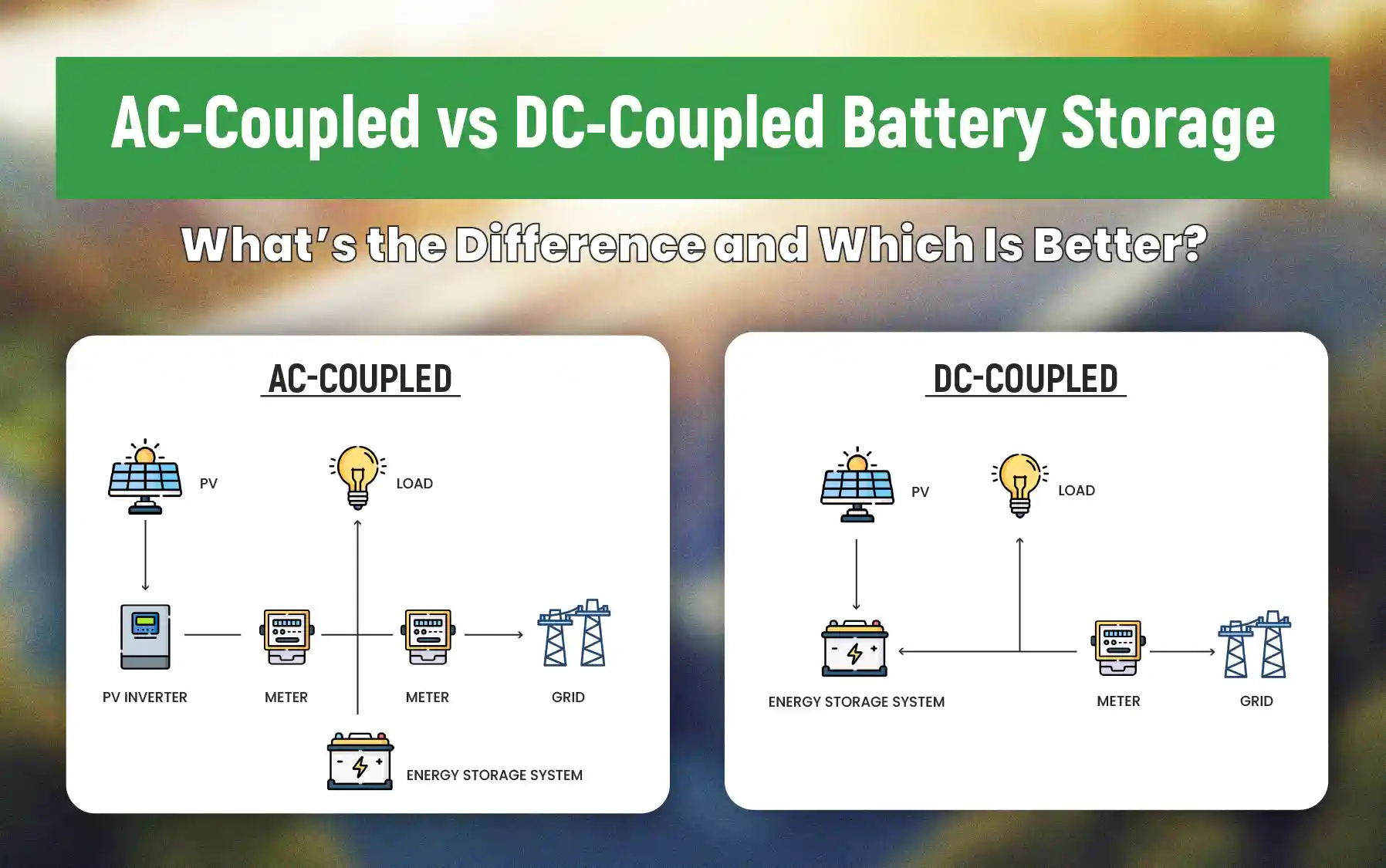
6. Use Battery Storage Strategically
When combined with off-peak charging, batteries become powerful cost-control tools. Battery systems allow businesses to store excess energy and use it when prices are higher. Charging batteries during low-cost periods and discharging during peak demand reduces exposure to high tariffs. It also improves resilience during outages.
7. Schedule Hot Water Systems Intelligently
By heating water during off-peak periods and storing it efficiently, businesses cut unnecessary energy use. Hot water systems are often left running continuously, even when demand is low. A simple timing adjustment can produce savings without operational impact. This applies to commercial kitchens, hospitality venues, gyms, and healthcare facilities.
8. Monitor Energy Use Regularly
You cannot manage what you do not measure. Energy monitoring tools help businesses identify when consumption spikes and the reason behind it. Regular reviews highlight patterns that can be adjusted. Sometimes, the issue is as simple as equipment running longer than required. Energy awareness leads to smarter decisions, ultimately reducing bills.
Read More: How to Maximise Your Business ROI with Government Energy Rebates
9. Educate Teams on Energy Timing
Technology helps, but people matter too. When teams understand why energy timing matters, they become active participants in cost reduction. Simple awareness around switching off unused equipment or avoiding unnecessary peak-time usage builds a culture of efficiency. Small behavioural changes across teams create surprisingly large outcomes.
10. Partner with the Right Energy Experts
Perhaps the most important hack is choosing the right partners. Navigating rebates, compliance, system design, and optimisation is not always straightforward. Experienced service providers bring technical knowledge, regulatory understanding, and practical insights. They help businesses design systems that work today and remain effective in the future. With the right guidance, off-peak strategies integrate seamlessly into broader sustainability and cost-saving goals.
Recap at a Glance
Smart energy timing helps businesses cut costs without disrupting daily work.
Lower Bills, Same Operations
Turning Off-Peak Strategy into Long-Term ROI
The best results arise when solar panels, batteries, lighting, and daily operations are planned together, creating a single, aligned strategy that works efficiently on both cost and performance. This integrated approach helps reduce carbon impact while ensuring cost savings and financial performance remain the priority.
Off-peak energy planning is not a one-time fix. It works best when combined with broader efficiency upgrades, smart system design, and continuous monitoring. And yes, it also simplifies compliance and rebate processes, which many businesses find overwhelming.
Conclusion
Reducing electricity bills does not always require a drastic change. Often, it is about smarter timing, better systems, and informed decisions. Off-peak electricity usage strategies offer immediate relief and long-term value when implemented thoughtfully.
To help businesses simplify this journey and ensure every upgrade delivers measurable outcomes, EcoGreen Australia provides end-to-end expertise in commercial solar, battery storage , energy upgrades, and rebate-backed solutions, helping organisations build a more sustainable future with confidence.

- How to Pick the Right Battery Type for Your Solar Lifestyle - March 21, 2026
- Victoria’s Cheaper Home Battery Rebate Program: Everything You Need to Know - March 11, 2026
- How to Calculate the Ideal Solar System Size for Your Home in Australia - March 7, 2026