The Sun is ever shining on us, Aussies, and we are making sure that it doesn’t go to waste. We have broken our own records when it comes to solar energy adoption, especially for rooftop solar. Whether it's our business, industrial manufacturing units, corporate offices, educational institutions or any other public infrastructure, we have solar electricity advantages. Australia is using solar energy to its full potential. It is transforming Australia’s energy sector and fulfilling our energy needs like never before. with tursted solar companies Melbourne leading the way, clean energy is becoming more accessible and efficient for everyone. Everybody knows that how solar energy is a boon for all of us. With the continent basking in ample sunshine year-round, solar power advantages mean promoting sustainable living.
However, as with any technology comes cons and pros, solar energy comes with its own mix of solar electricity advantages and drawbacks. If you are shellshocked to know that there are certain disadvantages of solar energy, you must know what are pros and cons of the technology. EcoGreen Australia brings you the top 10 solar power energy pros and cons!
Let’s Know The Advantages!
- Nature’s Advantage
No doubt that Australia has natural advantage as it receives some of the highest solar radiation levels in the world, especially in the Outback and Queensland. This means we have a natural advantage as we can use it for solar electricity advantages. Our solar panels can generate more electricity per unit than many other parts of the world. For Australian businesses, this becomes highly beneficial as it can be converted into higher energy production or higher solar power advantages.
- Reduced Electricity Bills
Installing solar panels reduces your electricity bills. Usually, for businesses or any other commercial activity, energy bills remain on the higher side. This means higher operational costs. But with solar electricity advantages, not only can you reduce your electricity bills, but also can optimize your operations in a better way. This way, every commercial facility or venture can save a lot of money on energy bills and be relieved from rising prices and grid outages.
- Energy Independence
This is one of the biggest aspect of solar electricity advantages. With solar energy, you can gain energy independence and generate your own electricity and store it for later use. When you don’t want to use electricity from the grid, you can switch to storage and use stored electricity for your operational needs. No other alternative grants you this kind of energy independence like solar power advantages. With the latest commercial battery technology, Australian businesses can reduce reliance on grid electricity and gain energy independence.
- Clean and Green Energy
Solar electricity advantages or benefits our environment. We are generating clean and green energy. Since solar energy produces no greenhouse gas emissions during operation, it helps Australia reduce its carbon footprint. This means we are protecting our planet and making green choices when it comes to electricity generation. Australia made a commitment under the Paris Agreement, and hence, solar power supports the country’s climate strategy. Also, it lowers our reliance on coal and gas-fired power plants that pollute heavily.
- Technological Advancements
Australia is improving its solar energy industry, and that’s why it is implementing technological advancements to enhance solar electricity advantages. These advances are focused on enhancing solar panel efficiency, battery storage systems, and smart grid integration, hence, are making solar energy more reliable and more affordable for us. These technological advancements are helping Australians to switch to solar even more.
- Government Incentives and Rebates
Every commercial venture can get solar electricity advantages as it has become more affordable in 2025. This has become possible with lucrative Australian federal and state government rebates. These rebates and incentives can make solar installations more affordable as they reduce upfront costs for solar energy systems. These financial supports provide you with more solar power advantages, such as lowering the upfront costs, improving return on investment and accelerating solar adoption rates.
- Easy Scalability & Flexibility
Solar energy systems can be customized according to your business operational needs and can fit virtually any scale. From small rooftop systems to large solar farms, solar electricity advantages can be scaled on any level. These solar power advantages are growing each year and powering many commercial businesses and industries. That’s why large-scale businesses to small-scale businesses (More retailers, manufacturers, logistics companies, and even schools) are choosing to go solar for cost savings and a greener footprint.
- Low Operating and Maintenance Costs
Let’s know more about solar electricity advantages! The solar panels require minimal maintenance once installed. Hence, you don’t have to worry about their durability. Since solar panels don’t have a complex structure as they have no moving parts, they can easily last for decades. They require cleaning once per year. Time-to-time maintenance only improves their durability and enhances longevity. Since our nation has clean air and a dry climate, panel efficiency is well preserved over time. This makes solar a worry-free energy source for us.
- Beneficial For Remote and Off-Grid Areas
Solar power advantages rural or remote areas. Solar power can reach Australia’s remote and rural areas that are not easily served by conventional electrical infrastructure. That’s why solar power advantages or becomes an important source of energy for these areas. With solar microgrids and battery storage systems, these areas can get reliable electricity.
- Creating Many Opportunities
In Australia, solar electricity advantages are diverse, as the solar industry has become a major employer. From panel manufacturing to installation and maintenance, the solar industry is creating many opportunities. As the sector is expanding even more, it is opening new opportunities for skilled jobs and boosting local economies.
Let’s Know The Disadvantages!
Despite government rebates, the upfront cost of purchasing and installing solar panel systems can be an issue for commercial ventures. This remains one of the biggest disadvantages of solar energy. However, the Australian government has made it easy through generous rebates and incentive schemes. Also, there are other financial alternatives as well, hence, this aspect can easily be avoided.
- Weather Dependency and Energy Variability
This aspect is so unpredictable. We know how Australia’s solar output fluctuates with weather and seasonal changes. Cloud cover, rain, or storms reduce power generation; all these aspects lead to energy shortages if backup systems are not in place. This intermittency can interrupt a consistent supply without effective storage. However, backup through battery storage systems can negate this aspect.
- Energy Storage Is Expensive
We need battery storage to store excess energy. This technology is necessary to store excess solar power, which we can use it for later whenever we need it. Earlier, these systems were used to be expensive; however, now prices for lithium-ion battery packs are falling, and there are government rebates, which are making these systems even more affordable.
- Space Requirements for Solar Arrays
Space has become a luxury, especially in urban cities. Since we need sufficient rooftop space or land area with unshaded exposure to the sun for effective solar installations, it becomes a disadvantage for us. Urban Australian businesses with limited roof space or shading trees face the most difficulty installing panels of adequate capacity. That’s why solar’s scalability in denser areas remains complex.
- Panel Manufacturing and Disposal
While solar energy itself is clean, the production and disposal of photovoltaic panels involve toxic chemicals and materials that can harm the environment. We need to dispose of these materials responsibly. Therefore, to negate this disadvantage, Australia’s recycling infrastructure for solar panels is still developing faster than ever. This is making future waste management challenges easier for us.
- Grid Integration and Infrastructure Challenges
High volumes of distributed solar generation can pose technical challenges for Australia’s electricity grids. This includes so many aspects, such as voltage fluctuations and reverse power flow. Since upgrading grid infrastructure to accommodate solar integration requires investment, we need to rely on existing infrastructure. However, there are supporting techs that can solve this issue.
- Variable Financial Incentive Schemes
Here comes another aspect of the disadvantages of solar energy. There is so much difference between Australian states for solar incentives, and it can change over time. The inconsistent policies can confuse people or businesses who want to adopt solar energy for their operational needs. It can slow down market growth and often make long-term planning difficult. But since solar electricity advantages outweigh disadvantages, you can easily negate this aspect.
- Possible Damage and Efficiency Loss
We all know about how Australian weather can be harsh. There will be hailstorms, extreme heat, and cyclones, etc., that impact solar panels’ integrity. If solar panels suffer physical damage or any other impact from these harsh weather conditions, frequent repairs or replacements are needed. This aspect makes them high maintenance and adds repair costs. However, you can negate this factor by protecting your installations in a better way.
- Energy Production Is Location Specific
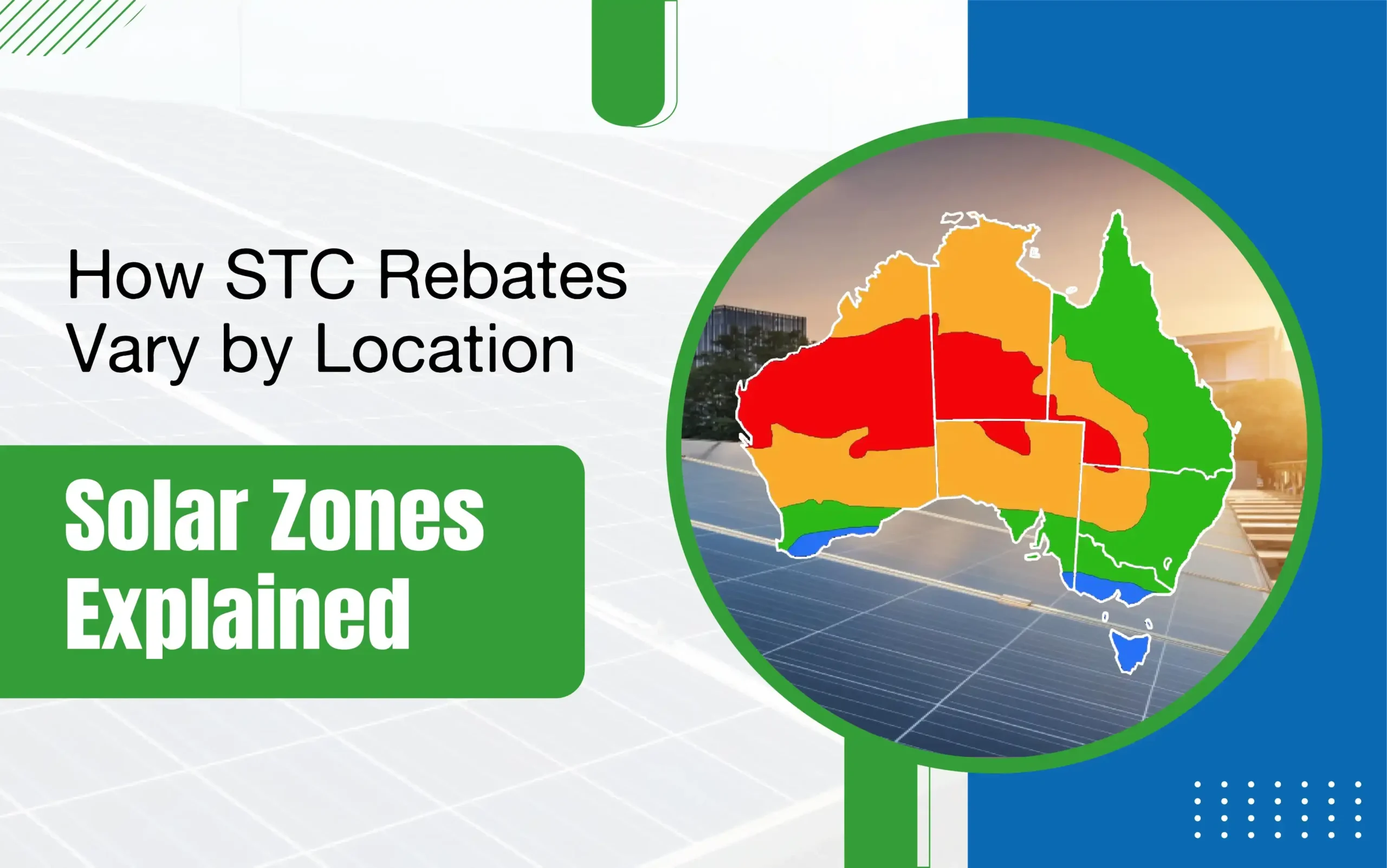
One of the disadvantages of solar energy is that energy production remains location-specific. In Australia, sunlight isn’t evenly distributed, and this is why we need to segregate the solar zones in Australia as per the sunlight they receive. Southern Australia receives less solar radiation compared to the north, therefore it reduces system effectiveness. This geographical variance means that solar energy is an uneven resource across the country.
- We Need Installation Expertise
You need proper installation and system design for solar energy adoption. Hence, it requires certified professionals and expertise. If you choose an inexperienced or non-accredited service provider, it will create safety hazards and your solar panels will have reduced efficiency. The current shortage of trained solar technicians in some Australian regions can delay projects or increase costs. But with the right accredited service provider, you can negate this disadvantage of solar energy.
Accredited Solutions By EcoGreen Australia
For Australians, solar power advantages weigh more than the disadvantages of solar energy. Though we can not ignore the disadvantages of solar energy, we must not forget how beneficial solar energy is for us. Accredited service providers make it all easy for you, whether it is about claiming Federal solar rebates or installation. We ensure you get all the solar electricity advantages! EcoGreen Australia helps you throughout the process, and you get maximum benefits for your energy needs.
FAQs
Solar panels can reduce electricity bills as they help you generate your own electricity. Businesses can also benefit from government rebates and incentives. Plus, feed-in tariffs can turn excess energy into extra revenue for businesses.
Yes. With modern battery storage options, your business can generate, store, and use its own solar power. This reduces reliance on the national grid and protects operations from sudden blackouts, and saves money.
Federal and state governments in Australia provide businesses with a range of rebates, upfront cost reductions, and tax incentives for solar projects. These programs make switching to solar more affordable.
Professional, accredited solar installers are essential for solar installation because the right expertise ensures your system is safe, efficient, and government rebate-eligible. Also, this protects you from hazards.
Yes! Solar microgrids and storage can bring clean electricity to Australia’s most remote and rural towns. It can light up places the power grid can’t easily reach and support local infrastructure, schools, and businesses.