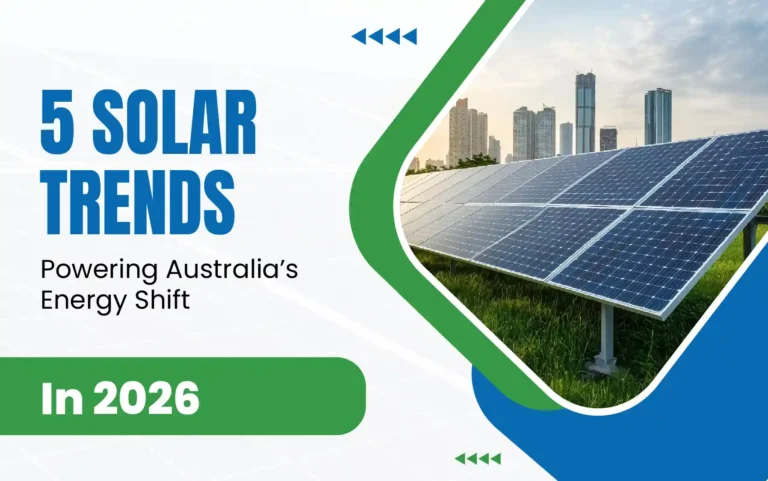
Australia’s transition to cleaner energy is gaining momentum, and 2026 may be the real game-changer. Have you noticed how solar panels just seem to be popping onto rooftops everywhere? Solar power, for many years the nation’s fastest-growing renewable energy source, now leads this transformation. From slashing household electricity bills to shaping national energy policies, solar is changing the way Australians make, store, and use electricity. At a time of real growth, with newly developed technologies and inducement programs, it’s an exciting time to see just how far solar will go. As a dedicated solar company Melbourne , EcoGreen Australia has seen firsthand how these shifts impact local homeowners.
1. Rooftop Solar Dominance and Record Installations
Have you noticed how rooftop solar is popping up everywhere? Could it be the single biggest and most visible driver of Australia’s energy transformation? As of mid-2025, a total of 26.8 GW of rooftop solar has been installed across more than 4.2 million homes and businesses across Australia.
This phenomenal effort has made roofs become large power producers, so much so that solar power contributes a significant proportion of the total electricity in the National Electricity Market. During a peak sun time in the day, it has been observed that solar power meets more than 40 % of the demand in the market, while at times, clean power (solar, wind, and water) meets around 78 % of total power.
The factors propelling this shift include declining panel prices, the availability of daylight, and greater public awareness of the advantages of climate and cost savings. Consumers are buying more system capacity, with average residential installations now in excess of 10 kW .
2. Surge in Battery Storage and Energy Independence
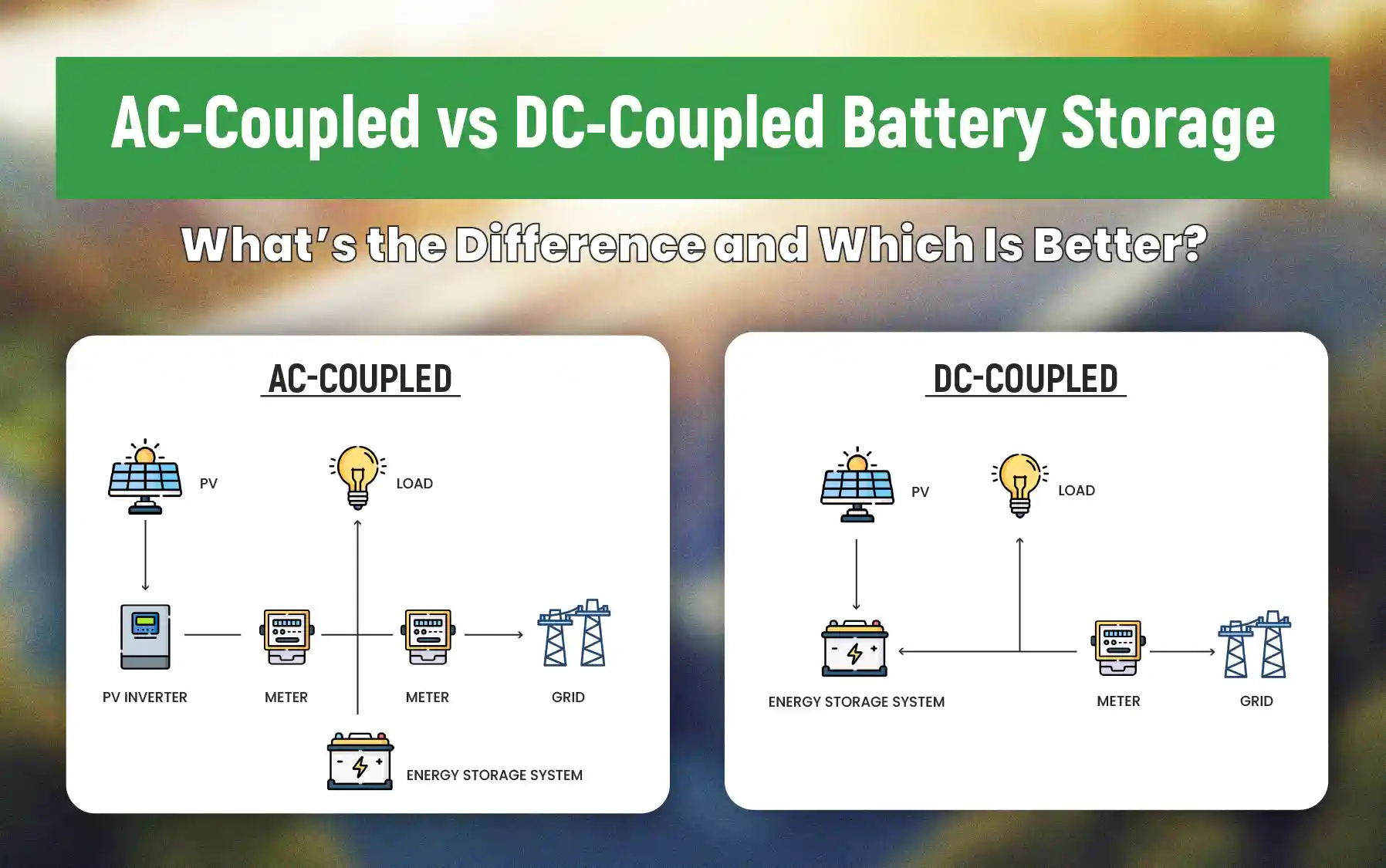
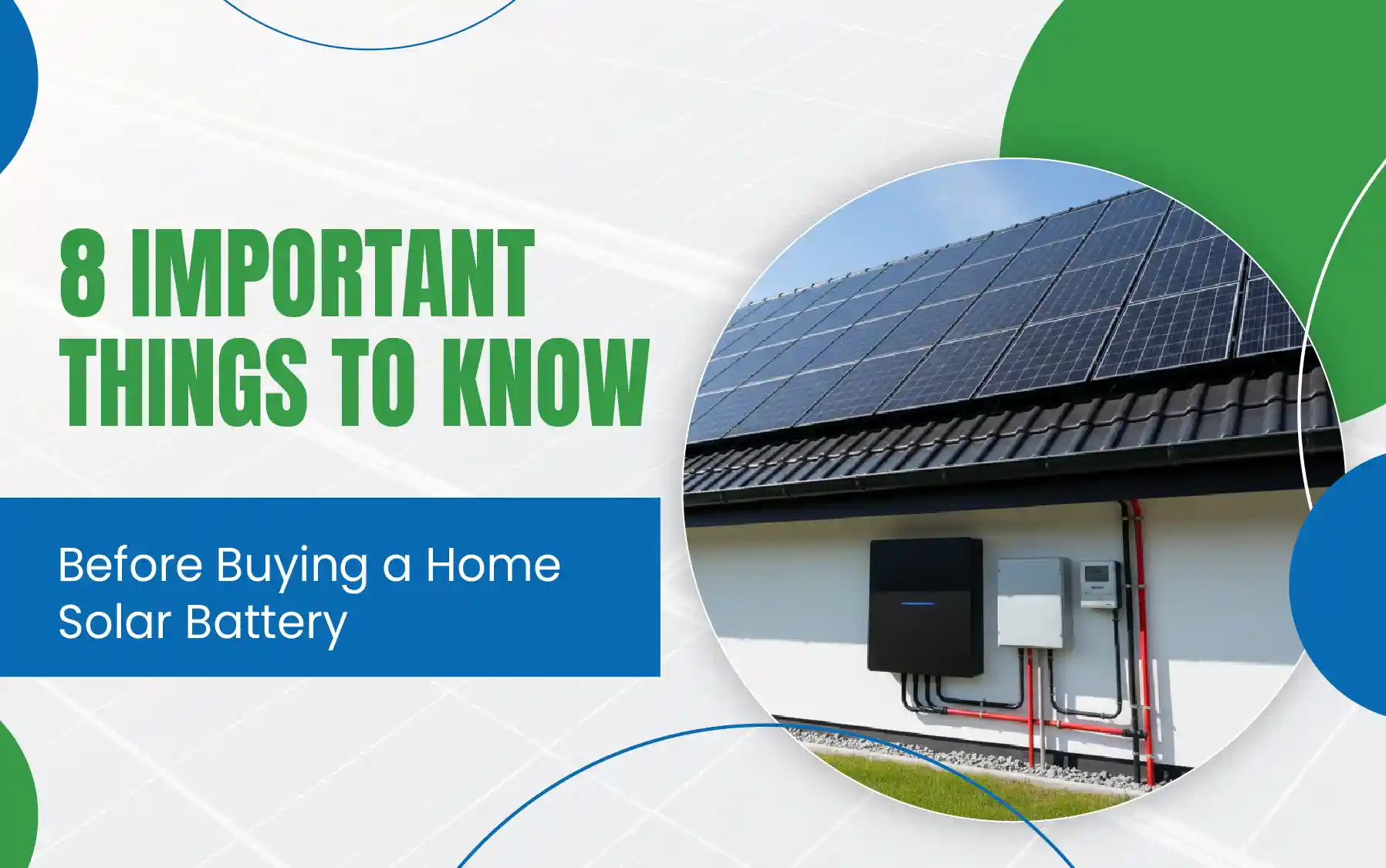
Although solar is abundant during the daytime, the actual value of solar energy lies in its integration with storage solutions. Australians are now turning to home batteries in order to store their extra solar power in case the grid is under pressure or in the evening when the sun isn’t shining.
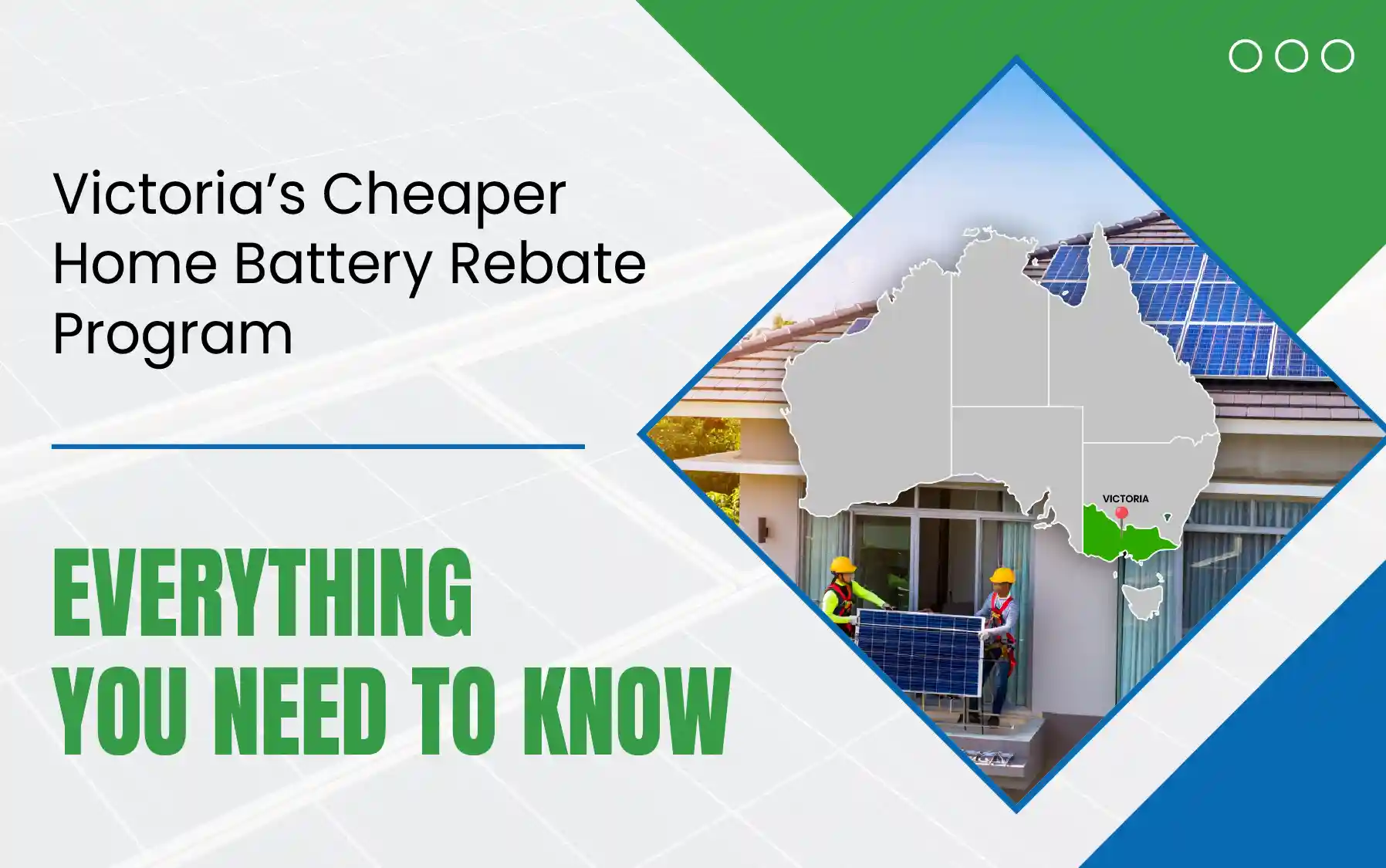
A critical factor in the growth of the solar industry in Australia is the role of government policies. The “ Cheaper Home Batteries ” scheme’s growth has been accelerated by a multi-billion-dollar boost in budget allocation. This has led to the dramatic uptake of batteries, which have been rolled out in tens of thousands of systems across states. These energy batteries are used for more than lowering electricity bills.
Addition of storage capacities for batteries remains imperative, as this would make solar energy a 24/7 power supply, as opposed to only a daytime power provider. This means the energy will either be consumed during peak times or sold to the electricity grid.
Read More: Australia Leads in Solar Rooftop Power: Transforms Businesses
3. Smart Solar and Grid‑Interactive Technology
Simply installing panels and batteries is no longer enough; the next frontier is intelligent energy systems. Moreover, in 2026, smarter inverters, AI‑driven energy management, and smart grid integration are becoming mainstream:
-
Smart inverters now do much more than convert DC to AC power
.
They actively communicate with the grid, adjust solar output based on conditions, and manage storage in real time.
This makes solar systems more efficient and grid-friendly.
- AI and automation optimise energy use, reducing waste and shifting consumption to times when solar production is highest. These systems help households and businesses maximise savings while supporting grid stability.
Therefore, smart energy technologies must be deployed as Australia’s grid adapts to increasing levels of distributed solar power.
4. Virtual Power Plants and Community Solar Sharing
The adoption of solar in Australia is not only confined to residential users, as the community is now actively participating in the transition. However, this trend has led to the emergence of Virtual Power Plants, which connect their solar and batteries to produce a collective form of electricity. In order to promote their cause, attractive packages are now being provided. In New South Wales, homeowners can now enjoy a cash refund of up to $1,500 to connect their batteries to a Virtual Power Plant.
5. Policy Support, Renewable Targets and Investment Pipeline
Policies, both federal and state, strongly influence the progression of clean energy within Australia. Thus, the Capacity Investment Scheme by the government has become bigger, and a reason for implementing clean energy also exists.
Read More: Best Solar Batteries in Australia 2025 – Expert Guide
Why 2026 Is a Pivotal Year for Solar in Australia
The solar revolution taking place in Australia isn’t a trend but a transformation that’s changing the way electricity is generated, used, or distributed:
- Rooftop solar is now a major generator on the grid.
- Rising battery adoption is making households energy-independent.
- Smart technologies are enabling efficient, resilient energy systems.
- VPPs and community projects are broadening access and grid support.
- Policy frameworks and investment pipelines are driving long-term growth.
Conclusion:
Australia’s solar journey reaches a defining moment in 2026. Record rooftop installations, growing battery storage, smart grid technologies, virtual power plants, and strong policy support are reshaping energy use. Together, these trends promise cleaner power, lower costs, greater resilience, and a more sustainable, consumer-driven energy future for all Australians nationwide.
Power your future with smarter solar solutions, partner with
EcoGreenAustralia
today and take the next step toward cleaner, more independent energy.

- 8 Important Things to Know Before Buying a Home Solar Battery - March 16, 2026
- 5 Solar Trends Powering Australia’s Energy Shift in 2026 - January 29, 2026